
Publication
NeurIPS
September 2026
This position paper argues that search is insufficient for memory and that AI systems need distinct mechanisms to proactively recall information from lifelong, multimodal memoromes — pointing to new datasets, benchmarks, and architectures as the way forward.
Conferences and workshops
August 2026
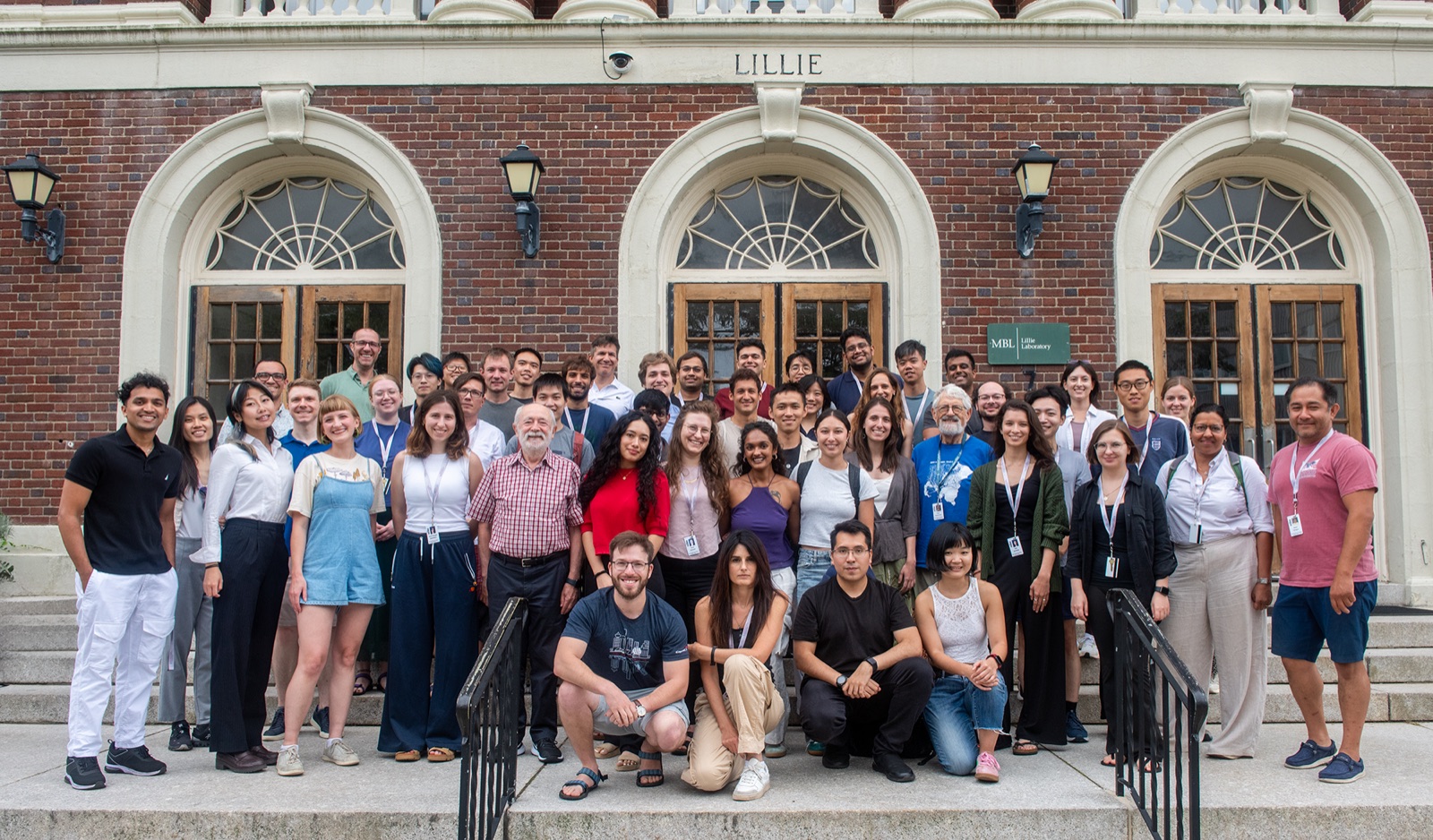
Gabriel Kreiman leads the Brains, Minds and Machines (BMM) summer school, bringing a cadre of researchers from all over the world to train the next generation of scholars at the intersection of neuroscience and AI.

Publication
Current Biology
May 2026
Recording directly from the human brain, this work uncovers a small region of the frontal cortex that separates nouns from adjectives whether the words are read or heard, and even across different languages, revealing an invariant neural code for parts of speech.
Publication
International Conference on Learning Representations (ICLR)
April 2026
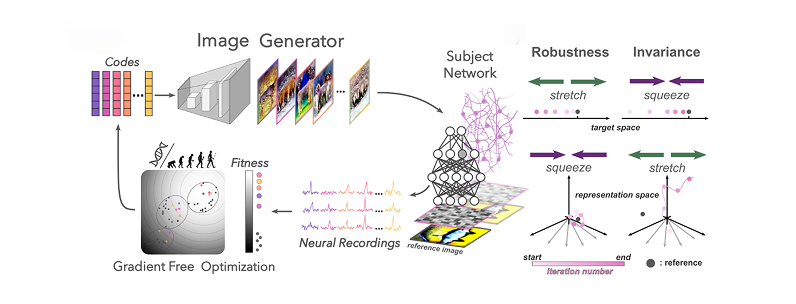
This paper introduces the Stretch-and-Squeeze (SnS) framework to map a neural unit's "invariance landscape," revealing how specific transformations like pose or lighting can change an input without altering the unit's response, thereby bridging the gap between artificial and biological visual perception.
Blog
March 2026
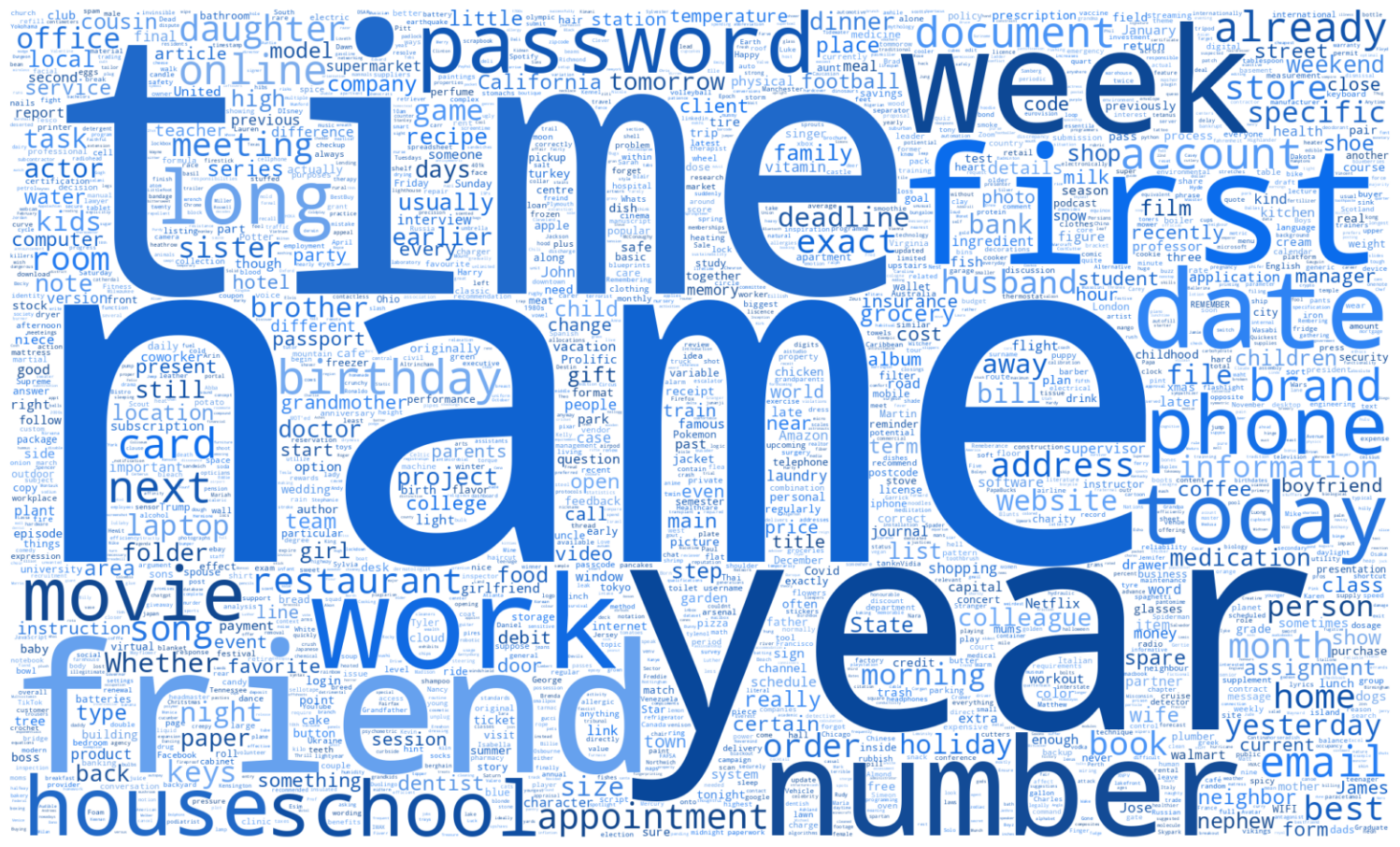
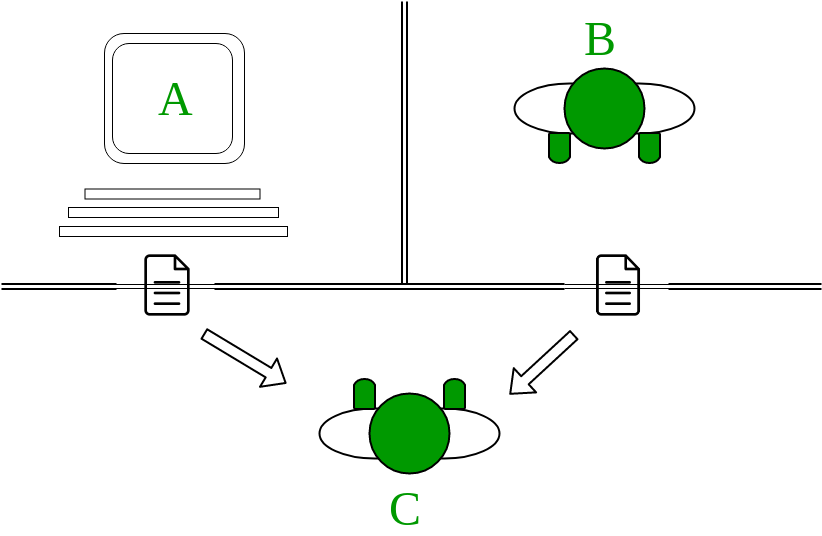
This study collected 1,940 personal memory questions from 134 participants during daily life, revealing the types of information people most commonly struggle to recall and the activities during which these memory needs arise.
Publication
Nature Human Behaviour
March 2026
This research introduces a methodology to directly compare human and machine output side by side and shows that state-of-the-art AI algorithms can mimic humans surprisingly well across vision and language tasks.

Publication
TNNLS
February 2025
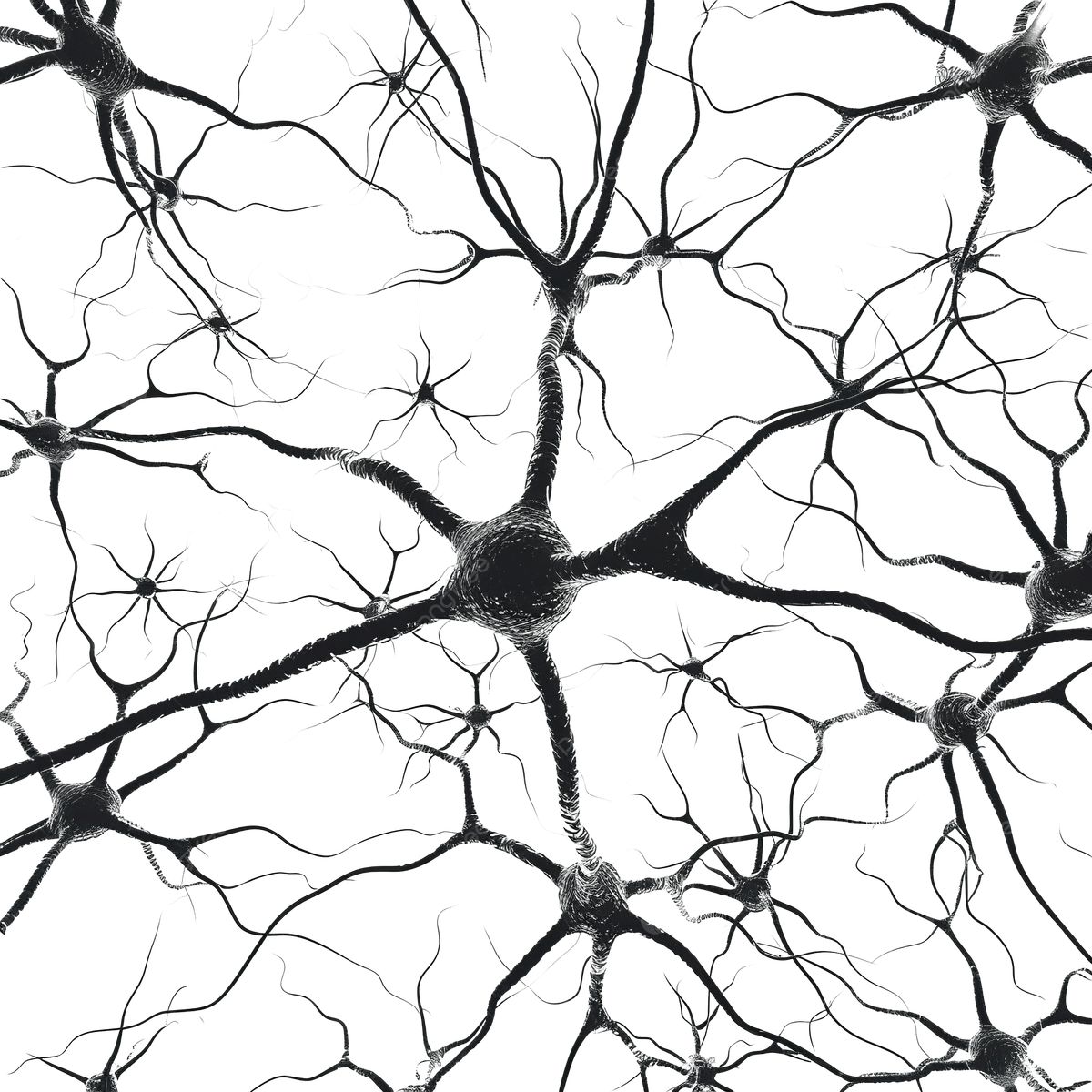
Inspired by how biological brains learn, this work introduces novel replay-based algorithms to tackle the problem of continual learning.
Publication
Nature Human Behavior
October 2024
Sparsity of representations emerges as an intriguing algorithm to ameliorate the problem of continual learning.
Publication
Cell Reports
November 2023
The authors discovered a novel mechanism by which neurons tile temporal space to encode memories.

Publication
ICLR
March 2023
Sparsity of representations emerges as an intriguing algorithm to ameliorate the problem of continual learning.

Publication
NeurIPS
September 2022
Performance in complex tasks requiring memory is improved by incorporating into algorithms human-like inductive biases and training diets.
Publication
Scientific Reports
July 2022
The right amount of forgetting and information replay can help counter capacity limitations in memory.

Publication
Nature Neuroscience
March 2022
This research elucidates how the brain parcelates continuous experience into discrete events that form the basic structure of memories.

Publication
Scientific Reports
November 2018
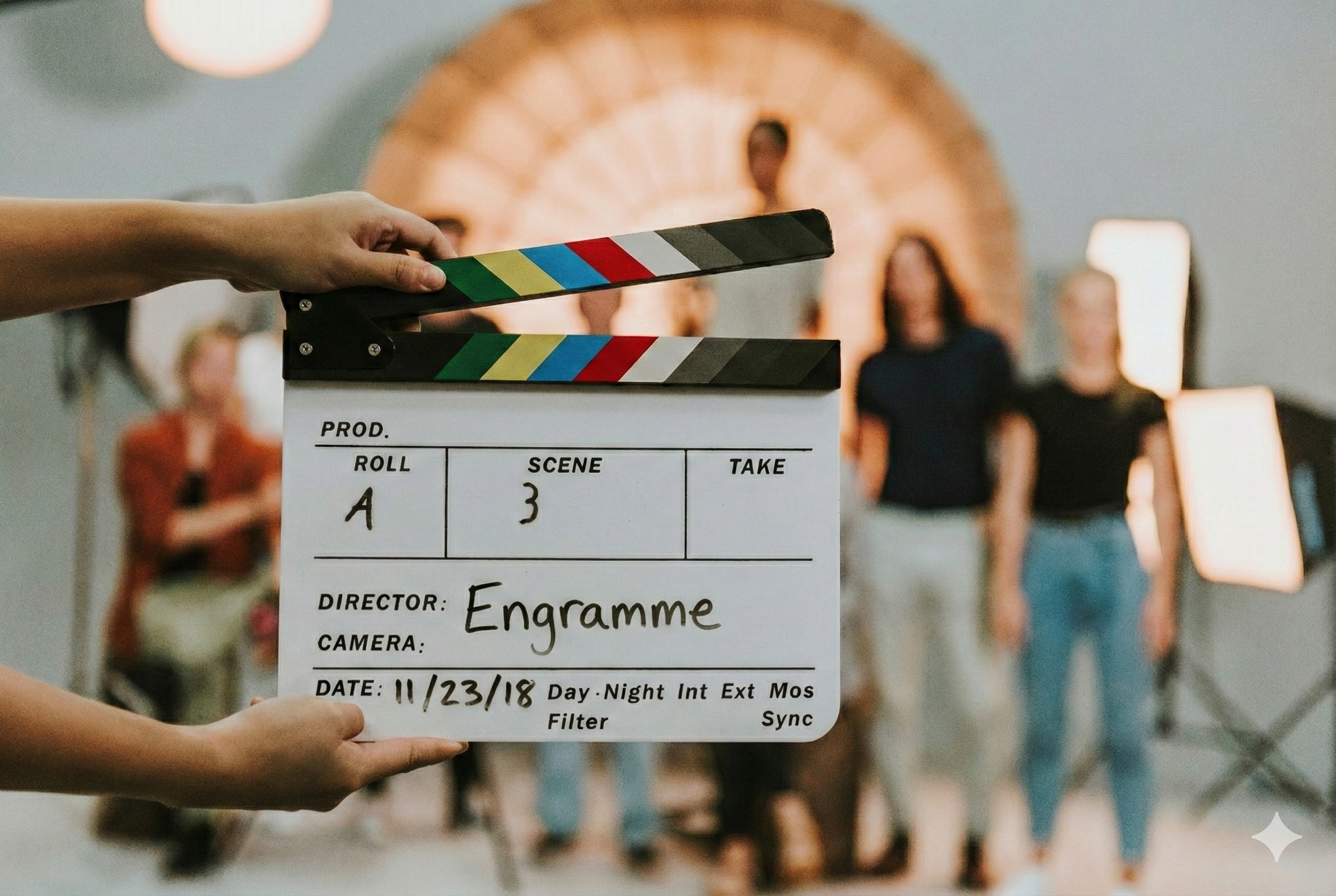
This work introduces machine learning models to predict whether specific real world events will be remembered or not.
Publication
Scientific Reports
September 2016
This work introduces machine learning models to predict whether specific events within movies will be remembered or not.